

Introduction
Fire safety is a critical concern in various industries and applications, particularly in environments where the risk of fire is high. One essential component of fire safety measures is the use of fire-resistant shielded cables. These cables are specifically designed to withstand fire and maintain their functionality during emergencies, making them a crucial part of a reliable and secure electrical infrastructure.
In this comprehensive guide, we will delve into the key features and benefits of fire-resistant shielded cables. We will explore how these cables are designed, their construction materials, and the advantages they offer in terms of safety, performance, and reliability.
Understanding Fire-Resistant Shielded Cables
Fire-resistant shielded cables are specialized cables that are designed to maintain their structural integrity and electrical performance when exposed to fire or high temperatures. These cables are typically used in buildings, industrial facilities, transportation systems, and other critical infrastructure where fire safety is a primary concern.
The primary purpose of fire-resistant shielded cables is to ensure that power and communication systems remain operational during a fire emergency. These cables are constructed using materials that can withstand extreme heat and flames, providing a crucial lifeline for firefighting efforts and emergency evacuation procedures.
https://www.jiangyuancables.com/waterproof-rubber-sheathed-flexible-cable/ of Fire-Resistant Shielded Cables
1. Fire-Retardant Materials: Fire-resistant shielded cables are made from materials that have a high resistance to flames and heat. These materials include specialized polymers, insulating compounds, and metal shields that can withstand temperatures well above those experienced in a typical fire scenario.
2. Enhanced Insulation: The insulation layer of fire-resistant shielded cables is designed to provide additional protection against heat and flames. This insulation helps to prevent the cable from melting or catching fire, ensuring continued electrical conductivity even in extreme conditions.
3. Shielding: Fire-resistant shielded cables are equipped with shielding layers that provide protection against electromagnetic interference (EMI) and radio frequency interference (RFI). This shielding not only enhances the cable's performance but also helps to prevent electrical faults and signal disruptions during a fire event.
4. Durability and Longevity: Fire-resistant shielded cables are built to last, with robust construction that can withstand the rigors of harsh environments and continuous use. These cables are designed to maintain their performance over an extended period, reducing the need for frequent replacements and maintenance.
5. Compliance with Safety Standards: Fire-resistant shielded cables are manufactured in compliance with stringent safety standards and regulations. These cables undergo rigorous testing to ensure that they meet the required fire resistance, smoke emission, and toxicity levels, making them a reliable choice for critical applications.
Benefits of Fire-Resistant Shielded Cables
1. Enhanced Fire Safety: The primary benefit of fire-resistant shielded cables is improved fire safety. By using these cables in electrical installations, the risk of fire propagation and electrical failures during a fire event is significantly reduced, enhancing overall safety for occupants and property.
2. Continuity of Operations: Fire-resistant shielded cables ensure that critical power and communication systems remain operational during a fire emergency. This continuity of operations is essential for emergency response teams, building occupants, and essential services that rely on uninterrupted power supply and communication networks.
3. Reduced Downtime and Losses: In the event of a fire, downtime in operations can result in significant financial losses and safety risks. Fire-resistant shielded cables help to minimize downtime by maintaining electrical connectivity and system functionality, thereby reducing losses and mitigating the impact of fire incidents.
4. Improved Reliability: Fire-resistant shielded cables offer enhanced reliability compared to standard cables, thanks to their robust construction and fire-resistant properties. These cables are less prone to electrical faults, short circuits, and other issues that can compromise system performance and safety.
5. Compliance with Regulations: Using fire-resistant shielded cables ensures compliance with building codes, safety regulations, and industry standards related to fire safety. By choosing these cables for electrical installations, organizations can demonstrate their commitment to safety and regulatory compliance.
Applications of Fire-Resistant Shielded Cables
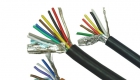
Fire-resistant shielded cables find applications in various industries and environments where fire safety is a critical concern. Some common applications include:
1. Building Construction: Fire-resistant shielded cables are commonly used in commercial buildings, residential complexes, hospitals, and other structures where fire safety regulations are stringent. These cables provide reliable power distribution and communication networks that can withstand fire incidents.
2. Industrial Facilities: Industries such as manufacturing plants, chemical processing facilities, and oil refineries require fire-resistant shielded cables to ensure the safety of personnel and equipment. These cables are essential for maintaining critical operations and preventing catastrophic fires in industrial settings.
3. Transportation Systems: Fire-resistant shielded cables are used in transportation systems such as railways, airports, and tunnels to ensure the safety and reliability of electrical infrastructure. These cables help to prevent electrical failures and fires that can disrupt transportation services and pose risks to passengers.
4. Data Centers: Data centers rely on fire-resistant shielded cables to safeguard their critical IT infrastructure and prevent data loss during fire emergencies. These cables provide the necessary connectivity and protection against fire hazards, ensuring uninterrupted operation of data center facilities.
Conclusion
Fire-resistant shielded cables play a crucial role in enhancing fire safety, ensuring continuity of operations, and mitigating risks in critical infrastructure applications. By understanding the key features and benefits of these specialized cables, organizations can make informed decisions when selecting electrical components for fire-prone environments.
With their fire-retardant materials, enhanced insulation, shielding, durability, and compliance with safety standards, fire-resistant shielded cables offer a reliable and effective solution for mitigating the impact of fire incidents. Incorporating these cables into electrical installations can help protect lives, property, and assets, making them an indispensable component of a comprehensive fire safety strategy.